Behind the Professional Image: When Attorney Stress Leads to Anxiety, Burnout, or Addiction

Attorneys are expected to stay composed, think critically, and perform under pressure, even when the stakes are high. Yet behind a polished professional image, some lawyers struggle with chronic stress, anxiety, emotional exhaustion, or substance use. Long hours, demanding clients, strict deadlines, and the pressure to avoid mistakes can gradually affect mental health, even for attorneys who appear successful and capable. Recognizing these challenges early matters because untreated stress can develop into burnout, strain personal relationships, and contribute to unhealthy coping habits. With the right support, attorneys can protect their well-being without viewing their struggles as a professional failure.

Why Attorney Stress Can Become Difficult to Manage

Legal work requires sustained concentration, sound judgment, and emotional control. Attorneys often handle sensitive client situations, competing deadlines, and decisions that can have serious financial or personal consequences. Although some pressure is part of the profession, constant demands without enough time to recover can take a toll.

Chronic stress occurs when pressure continues over time and a person has difficulty returning to a balanced state. Sleep may become irregular, patience may decrease, and ordinary responsibilities may begin to feel overwhelming.

The Pressure to Appear Strong and Capable

Many attorneys believe they must always have the answers. They may worry that admitting emotional distress could affect how clients, colleagues, or supervisors view their abilities. As a result, they continue working while concealing anxiety, exhaustion, or personal difficulties.

High-functioning attorneys can be particularly easy to overlook because they may still meet deadlines, manage complex cases, and maintain strong professional relationships. However, outward success does not necessarily reflect emotional well-being.

Recognizing a need for support is not a sign of weakness. In fact, addressing stress before it becomes severe can help attorneys maintain better judgment, healthier relationships, and a more sustainable career.

When Work Follows You Home

For many legal professionals, the workday does not end when they leave the office. They may continue reviewing case details, anticipating difficult conversations, or worrying about upcoming hearings during their personal time.

This constant mental engagement can interfere with sleep, family relationships, and the ability to enjoy activities outside work. Over time, attorneys may feel as though they are always working, even when they are physically away from their responsibilities.

Establishing realistic boundaries can help create space for recovery. Although urgent matters sometimes require flexibility, making personal time a regular priority is essential for long-term well-being.

Recognizing the Signs of Anxiety and Burnout

Stress affects everyone differently. Some attorneys become visibly frustrated or withdrawn, while others continue to appear confident despite increasing emotional distress.

Paying attention to persistent changes in mood, behavior, and physical health can help identify when additional support may be appropriate.

Common Signs of Chronic Stress

Warning signs may include:

  • Persistent worry or difficulty relaxing after work.
  • Trouble falling asleep, staying asleep, or feeling rested.
  • Irritability, low motivation, or emotional exhaustion.
  • Difficulty concentrating or making decisions.
  • Frequent headaches, muscle tension, or other physical symptoms.
  • Withdrawing from friends, family, or enjoyable activities.
  • Feeling detached from work or questioning the value of professional accomplishments.

These symptoms can have several causes, including medical conditions and mental health concerns. If they persist or interfere with everyday life, a qualified healthcare professional can help determine what is happening and recommend appropriate care.

Understanding Burnout in High-Performing Attorneys

Burnout often develops when ongoing work demands exceed a person’s ability to recover. It may involve exhaustion, increased detachment from work, and a reduced sense of professional effectiveness.

An attorney experiencing burnout may still complete assignments and serve clients, but feel increasingly disconnected from the work. Small setbacks may seem harder to manage, and achievements that once felt rewarding may no longer provide satisfaction.

It is important to recognize these changes rather than treating exhaustion as a normal requirement of success. Rest, healthier boundaries, and professional support can help address the factors contributing to burnout.

How Attorney Stress Can Contribute to Addiction

When stress becomes difficult to manage, some attorneys turn to alcohol, prescription medications, or other substances for temporary relief. A drink after work may gradually become a daily habit, or a substance may be used to quiet racing thoughts and make sleep feel easier.

Although these behaviors may provide short-term relief, they can create additional problems over time.

Alcohol and Unhealthy Coping Habits

Alcohol can appear to offer an easy way to unwind after a demanding day. However, regular use to manage stress may disrupt sleep, affect mood, and increase the risk of dependence.

Warning signs include drinking more than intended, needing increasing amounts to achieve the same effect, hiding alcohol use, or repeatedly trying to cut back without success.

Other attorneys may misuse prescription medication or use substances to stay alert, reduce anxiety, or manage exhaustion. These patterns can affect health, concentration, and professional judgment.

Substance use disorders are treatable health conditions. They should not be viewed as evidence of poor character or a lack of discipline. If substance use is becoming difficult to control, seeking professional guidance is an important step.

Anyone who may be physically dependent on alcohol or certain medications should consult a medical professional before stopping abruptly, since withdrawal can be dangerous.

When Work Becomes a Form of Avoidance

Addiction is not the only concern associated with chronic stress. Some attorneys respond by working longer hours, avoiding personal relationships, or filling every moment with professional responsibilities.

These patterns may create a temporary sense of control while leaving emotional needs unaddressed. Over time, excessive work and social isolation can make stress more difficult to manage.

Healthy coping involves understanding what drives these behaviors and finding alternatives that support lasting well-being.

Practical Ways Attorneys Can Protect Their Mental Health

Attorneys may not be able to eliminate every deadline or demanding client. Nevertheless, they can take practical steps to reduce unnecessary pressure and create more opportunities for recovery.

Set Realistic Boundaries Around Work

Whenever possible, establish a consistent end to the workday and protect time for sleep, meals, exercise, and personal commitments. Review competing priorities, delegate appropriate tasks, and communicate realistic expectations with clients and colleagues.

It can also help to limit nonessential work notifications during personal time. A short walk, a regular evening routine, or a clear transition between work and home can make it easier to mentally disconnect.

Build Healthy Stress Management Habits

Consistent routines can help attorneys manage pressure more effectively. Consider the following strategies:

  • Prioritize sleep: Maintain a regular schedule and seek professional help for persistent insomnia.
  • Exercise regularly: Walking, swimming, stretching, or another enjoyable activity can help relieve tension.
  • Stay socially connected: Make time for trusted friends, family members, and supportive colleagues.
  • Practice relaxation: Try mindfulness, breathing exercises, meditation, or quiet reflection.
  • Make room for personal interests: Participate in activities that provide enjoyment outside professional achievement.
  • Monitor coping behaviors: Notice whether alcohol, medication, or excessive work is becoming the main way to manage difficult emotions.

For attorneys who value spirituality, prayer, faith communities, and spiritual reflection may also provide a meaningful source of support.

Seek Help Before Stress Becomes a Crisis

Attorneys do not need to wait until their performance declines or relationships suffer before seeking help. A licensed therapist, counselor, or healthcare professional can help identify stress triggers, address anxiety or depression, and develop healthier coping strategies.

For those concerned about confidentiality, it is reasonable to ask prospective providers how records are handled and what privacy protections apply. Understanding these policies can make it easier to have an open and informed conversation about treatment.

Mental Health and Addiction Treatment Options for Attorneys

Self-care can be helpful, but it may not be enough when anxiety, depression, burnout, or substance use becomes difficult to manage. Professional treatment can provide clinical guidance and a structured plan based on an individual’s needs.

Outpatient Counseling and Addiction Treatment

Outpatient treatment allows individuals to attend scheduled therapy or recovery sessions while continuing to live at home. Depending on the program, services may include individual counseling, group therapy, substance use treatment, relapse prevention planning, and care for co-occurring mental health conditions.

Intensive outpatient programs offer additional structure for people who need more frequent support while remaining in their home environment. A qualified provider can help determine whether outpatient care is appropriate.

Inpatient and Residential Treatment

Some individuals need a more structured setting to address serious substance use or mental health concerns. Inpatient or residential treatment may provide clinical assessment, therapy, recovery planning, and medical support when necessary.

This level of care can offer time away from everyday pressures to focus on treatment and develop healthier routines. The right option depends on clinical needs, medical history, substance use patterns, and the person’s living circumstances.

Individualized, Holistic, and Faith-Based Care

Recovery is not a one-size-fits-all process. Treatment should consider an individual’s health, experiences, responsibilities, beliefs, and goals.

Evidence-based therapies may be complemented by appropriate holistic practices, including mindfulness, physical activity, nutrition support, and stress management. Faith-based services can also be part of treatment when they align with the individual’s values and preferences.

An individualized approach addresses more than immediate symptoms. It helps people understand the factors contributing to distress, strengthen coping skills, and build a realistic foundation for long-term recovery.

A Strong Professional Future Starts With Personal Well-Being

Behind a successful legal career, an attorney may be dealing with pressures that others never see. Persistent anxiety, emotional exhaustion, and increasing reliance on alcohol or other substances should not be dismissed as unavoidable parts of the profession.

Recognizing these warning signs creates an opportunity to make changes before difficulties become more serious. Healthier boundaries, supportive relationships, and appropriate professional treatment can help attorneys regain balance and develop more sustainable ways to handle pressure.

If stress is affecting your mental health, relationships, or substance use, consider reaching out to a qualified mental health or addiction treatment professional. You do not have to wait for a crisis to ask for help. A conversation with the right provider can help you understand your options and take the first step toward a healthier life, both inside and outside the courtroom.
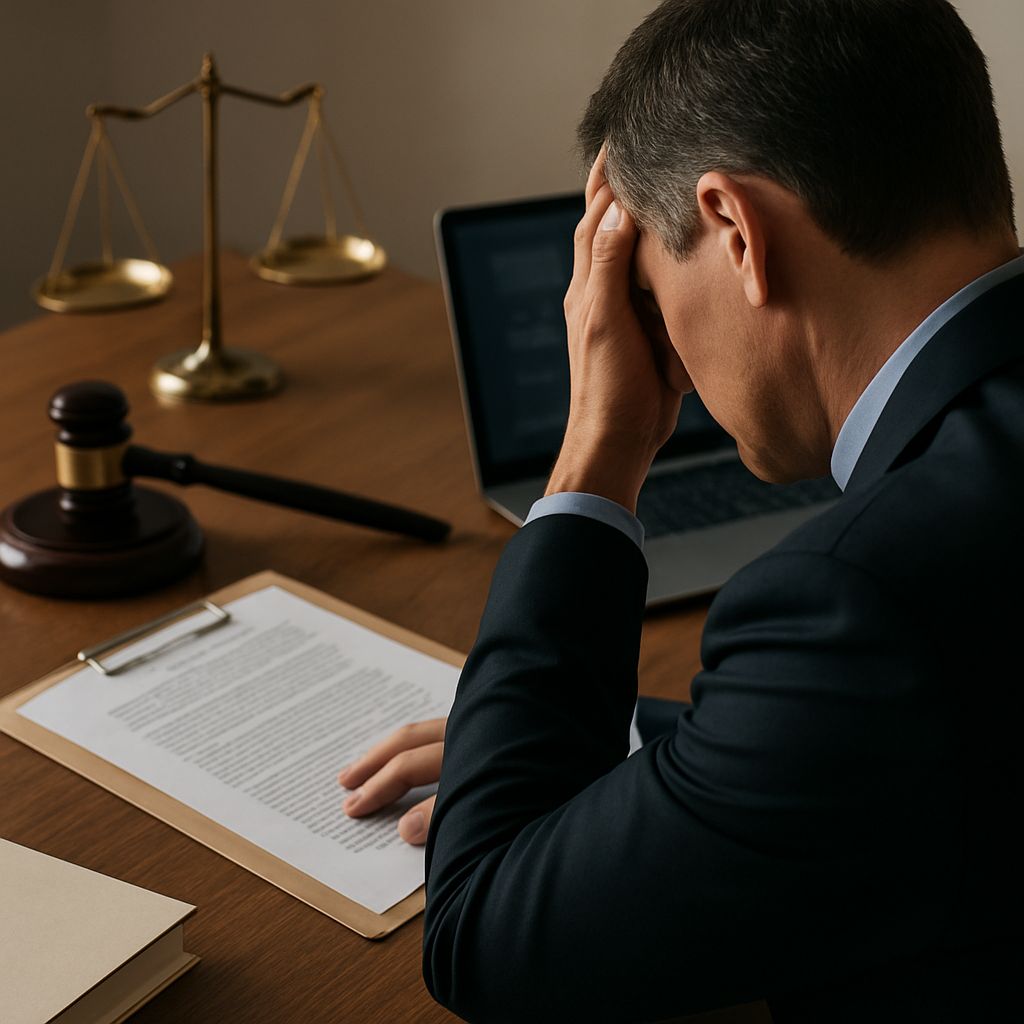

The Hidden Cost of a Legal Career: How Chronic Stress Affects Attorneys’ Mental Health

A successful legal career can bring professional respect, financial stability, and a strong sense of purpose. However, behind the courtroom appearances, demanding caseloads, and long hours, many attorneys face a level of stress that gradually affects their mental and physical health. The pressure to deliver results, satisfy clients, and avoid costly mistakes can make it difficult to recognize when normal work demands have become overwhelming. For some attorneys, chronic stress contributes to anxiety, burnout, depression, or unhealthy coping habits involving alcohol and other substances. Understanding these risks is an important step toward protecting personal well-being and building a more sustainable career.

Why Chronic Stress Is Common in the Legal Profession

Attorneys regularly work in situations where the details matter and the consequences can be significant. They must analyze complex information, prepare persuasive arguments, manage client expectations, and respond to deadlines that may leave little room for error. Even routine responsibilities can become exhausting when they accumulate without sufficient time to rest.

Unlike short-term stress, chronic stress continues over an extended period. When the body and mind remain under pressure, recovery becomes more difficult. Sleep may suffer, patience can decline, and tasks that once felt manageable may begin to seem overwhelming.

The Pressure to Always Be in Control

Many attorneys feel expected to remain composed and confident, even when they are dealing with personal difficulties. Admitting that they feel overwhelmed may seem risky in a profession that places a high value on competence, judgment, and reliability.

As a result, some legal professionals conceal their distress and continue working beyond their limits. They may tell themselves that they simply need to work harder or get through one more demanding week.

Unfortunately, this approach can delay meaningful support. Professional capability does not protect someone from anxiety, depression, or emotional exhaustion. Recognizing stress and addressing it early can help attorneys preserve their health and continue performing their responsibilities more sustainably.

When Work Follows You Home

Legal work often continues mentally long after the office closes. Attorneys may replay difficult conversations, worry about upcoming hearings, or review case details while trying to spend time with family.

Over time, this constant mental engagement can interfere with sleep and relationships. Loved ones may feel overlooked, while attorneys may struggle to enjoy activities unrelated to work.

Creating a clearer separation between professional responsibilities and personal time can help. Although urgent matters sometimes require attention outside normal hours, constant availability should not become the expectation for every task.

Recognizing the Mental Health Effects of Attorney Stress

Chronic stress can affect people differently. Some attorneys become visibly irritable or withdrawn, while others maintain their usual professional performance despite feeling increasingly exhausted.

Recognizing changes in mood, behavior, and physical health can help identify when additional support may be appropriate.

Anxiety, Depression, and Emotional Exhaustion

Persistent pressure can contribute to excessive worry, difficulty relaxing, low mood, and a sense of being emotionally drained. Attorneys may become unusually self-critical, lose interest in activities they once enjoyed, or feel that no amount of effort is enough.

Sleep problems are another common concern. An attorney may struggle to fall asleep because of racing thoughts or wake frequently while worrying about work. Poor sleep can then make concentration, decision-making, and emotional regulation more difficult the following day.

These symptoms should not automatically be attributed to work stress. Anxiety, depression, medical conditions, and other factors can produce similar difficulties. A qualified healthcare professional can help assess persistent symptoms and recommend appropriate care.

Burnout Behind Professional Success

Burnout can develop when ongoing workplace demands exceed a person’s ability to recover. It may involve exhaustion, growing detachment from work, and a reduced sense of professional effectiveness.

An attorney experiencing burnout may continue meeting deadlines and managing clients while feeling increasingly disconnected from the purpose of the job. Small setbacks may feel unusually difficult, and previously satisfying achievements may bring little enjoyment.

Maintaining a strong professional image does not mean someone is free from burnout. If work consistently leaves little energy for health, relationships, or personal interests, it is worth taking those changes seriously.

How Stress Can Lead to Unhealthy Coping Habits

When attorneys have limited opportunities to recover from pressure, they may look for immediate ways to quiet their thoughts or manage difficult emotions. Some coping habits offer temporary relief but create additional problems when they become frequent or difficult to control.

Alcohol and Substance Use

An attorney might begin drinking after particularly demanding days to relax or fall asleep. Over time, alcohol may become the main way to handle anxiety, frustration, or emotional discomfort.

Warning signs include drinking more often than intended, needing increasing amounts to achieve the same effect, concealing use, or struggling to cut back. Some individuals may also misuse prescription medications or other substances in an attempt to remain alert, reduce anxiety, or manage sleep problems.

Substance use disorders are health conditions, not evidence of weak character. When substance use becomes difficult to control, professional assessment can help identify the right treatment options.

Alcohol and some medications can cause dangerous withdrawal symptoms when stopped abruptly after prolonged or heavy use. Anyone who may be physically dependent should seek medical guidance before attempting to stop.

Workaholism and Social Withdrawal

Not all unhealthy coping habits involve substances. Some attorneys respond to stress by working longer hours, avoiding difficult conversations, or withdrawing from friends and family.

Constant work can create the impression of productivity while leaving underlying emotional concerns unaddressed. Similarly, isolation can make it harder to recognize when stress has become unmanageable.

Healthy coping involves identifying what is driving the behavior and developing alternatives that support long-term well-being.

Practical Strategies for Managing Attorney Stress

Reducing chronic stress often requires a combination of everyday changes and professional support when needed. Attorneys may not be able to eliminate every deadline or demanding client, but they can take steps to protect their energy and emotional health.

Establish Realistic Work Boundaries

Where possible, create a consistent end to the workday and reserve time for meals, sleep, and personal commitments. Review priorities regularly, delegate appropriate tasks, and communicate realistic timelines when circumstances allow.

It can also help to limit unnecessary after-hours notifications. A brief transition routine, such as taking a walk after work or changing activities before beginning the evening, can make it easier to mentally step away from professional responsibilities.

Make Physical and Emotional Recovery a Priority

Healthy routines can improve resilience and create more opportunities for the body and mind to recover.

Consider these practical steps:

  • Protect sleep: Maintain a regular sleep schedule and seek help for ongoing insomnia.
  • Move your body: Choose an activity you enjoy, such as walking, swimming, cycling, or stretching.
  • Stay connected: Make time for trusted friends, family members, and supportive colleagues.
  • Practice relaxation: Try mindfulness, breathing exercises, meditation, or quiet reflection.
  • Maintain personal interests: Continue

Successful but Struggling: Why High Achieving Attorneys Should Not Ignore Stress and Burnout

High-achieving attorneys are often known for their sharp judgment, strong work ethic, and ability to perform under pressure. Yet professional success does not always reflect what is happening behind the scenes. Long hours, demanding clients, complex cases, and constant deadlines can take a serious toll on mental health. Some attorneys continue meeting every professional obligation while privately struggling with anxiety, exhaustion, depression, or increasing reliance on alcohol and other substances. Recognizing stress and burnout early is essential because ignoring these problems can affect not only personal well-being, but also relationships, decision-making, and long-term career satisfaction.

Why High Achieving Attorneys Experience Stress and Burnout

The legal profession places considerable demands on concentration, emotional control, and time management. Attorneys must often evaluate complicated information, anticipate risks, manage client expectations, and make decisions with significant consequences. Even experienced professionals can find these demands difficult to sustain over time.

Unlike a temporary stressful period, chronic stress can leave the body and mind with too little opportunity to recover. When demanding work becomes the norm, attorneys may begin treating exhaustion as an unavoidable part of success.

The Pressure to Always Perform

Many attorneys feel they must remain composed, confident, and capable regardless of personal circumstances. They may hesitate to admit that they are overwhelmed because they worry about appearing unreliable or losing the confidence of clients and colleagues.

This pressure can encourage people to hide their struggles and push through warning signs. An attorney may continue meeting deadlines, winning cases, and managing a busy practice while experiencing persistent anxiety or emotional exhaustion.

However, professional competence does not require sacrificing personal health. Recognizing limitations and seeking support are responsible decisions that can help attorneys maintain their performance over the long term.

When Work Leaves No Room for Recovery

Long working hours can interfere with sleep, exercise, family time, and other activities that support emotional well-being. Even when attorneys leave the office, they may continue reviewing arguments, anticipating difficult conversations, or worrying about unresolved cases.

Without regular periods of rest, everyday pressures can feel increasingly difficult to manage. Irritability, trouble concentrating, low motivation, and a growing sense of detachment may follow.

Over time, this pattern can contribute to burnout, which is commonly associated with exhaustion, increased mental distance from work, and reduced professional effectiveness.

Warning Signs Attorneys Should Not Ignore

Stress does not affect everyone in the same way. Some attorneys become visibly frustrated or withdrawn, while others maintain an outward appearance of control even as their well-being declines.

Paying attention to persistent changes can help identify when additional support may be needed.

Emotional and Physical Signs of Burnout

Common warning signs include:

  • Feeling exhausted even after a full night’s sleep.
  • Experiencing persistent anxiety, irritability, or low mood.
  • Finding it difficult to concentrate or make decisions.
  • Losing interest in work, hobbies, or relationships.
  • Having frequent headaches, muscle tension, or sleep difficulties.
  • Feeling detached from clients, colleagues, or personal responsibilities.

These symptoms can have different causes, so they should not automatically be attributed to burnout alone. A healthcare professional can help assess ongoing symptoms and identify appropriate support.

When Coping Starts to Change: How Attorney Stress Can Lead to Unhealthy Habits and Addiction

The legal profession demands focus, discipline, and the ability to perform under pressure. Attorneys regularly manage demanding clients, complex cases, tight deadlines, and decisions that can have serious consequences. While many professionals learn to function under these conditions, chronic stress can gradually affect their mental health, relationships, and personal habits. For some attorneys, what begins as an occasional drink after work, reliance on medication, or another way to unwind can develop into an unhealthy pattern. Recognizing when coping habits begin to change is an important step toward protecting long-term well-being and seeking help when needed.

Why Attorneys May Be Vulnerable to Chronic Stress

Practicing law requires sustained concentration, careful judgment, and emotional control. Attorneys may spend long hours preparing cases, responding to clients, meeting court deadlines, and managing the financial demands of their practices. Even after leaving the office, many continue thinking about unresolved problems and upcoming responsibilities.

Over time, this pressure can become difficult to manage without adequate rest and support. Some attorneys may believe that showing stress signals weakness or threatens their professional reputation. Others may feel that their responsibilities leave little room to prioritize their own needs.

The Pressure to Maintain a High-Performing Image

High-functioning professionals can experience significant emotional distress while continuing to meet workplace expectations. An attorney may maintain a full caseload, receive positive feedback, and appear confident while privately struggling with anxiety, exhaustion, or depression.

Because outward performance remains strong, warning signs can go unnoticed for months or even years. Colleagues and loved ones may assume everything is fine, while the attorney becomes increasingly dependent on unhealthy coping strategies.

Professional success does not eliminate the need for mental health support. In fact, recognizing personal limits can help attorneys protect their careers, relationships, and overall quality of life.

When Stress Leads to Unhealthy Coping Habits

Everyone needs ways to recover from demanding days. Exercise, time with loved ones, hobbies, adequate sleep, and relaxation can help the body and mind manage stress. However, some coping methods provide temporary relief without addressing the underlying problem.

When pressure becomes persistent, an attorney may begin relying on substances or compulsive behaviors to escape uncomfortable feelings.

Alcohol as a Way to Unwind

Having a drink after a difficult workday may seem harmless. However, concerns can arise when alcohol becomes the primary way to relax, fall asleep, manage anxiety, or stop thinking about work.

Warning signs may include drinking more frequently, consuming larger amounts than intended, hiding alcohol use, or feeling unable to relax without it. Some attorneys may also notice that drinking affects their sleep, concentration, mood, or relationships.

These patterns deserve attention before they begin interfering with professional responsibilities or personal safety.

Prescription Medication and Other Substances

Some professionals may turn to prescription medications or other substances in an attempt to manage stress, anxiety, or sleep difficulties. Using medication outside medical instructions, taking more than prescribed, or relying on substances to get through the workday can increase the risk of dependence and other health problems.

Medication concerns should be discussed with a qualified healthcare professional. Attorneys should not abruptly stop prescribed medications without appropriate medical guidance, particularly when withdrawal or other complications may occur.

Workaholism and Emotional Avoidance

Unhealthy coping does not always involve substance use. Excessive work, social withdrawal, compulsive spending, and other repetitive behaviors may also become ways to avoid difficult emotions.

For example, an attorney might fill every available hour with work to avoid confronting relationship problems or feelings of inadequacy. Although this pattern may initially appear productive, it can contribute to exhaustion, isolation, and worsening mental health.

The important question is whether a habit supports well-being or has become something a person feels compelled to do to get through the day.

Recognizing the Warning Signs of Addiction and Mental Health Concerns

Identifying changes early can make it easier to seek support before the consequences become more serious. Attorneys should pay attention to patterns that persist, intensify, or begin affecting everyday life.

Possible warning signs include:

  • Increasing reliance on alcohol or other substances to manage work-related pressure.
  • Difficulty sleeping, persistent fatigue, irritability, or frequent anxiety.
  • Losing interest in relationships, hobbies, or activities that once felt meaningful.
  • Hiding substance use or becoming defensive when someone expresses concern.
  • Missing personal commitments or experiencing problems with concentration and judgment.
  • Repeatedly attempting to reduce substance use without being able to maintain those changes.
  • Feeling unable to cope with ordinary professional demands without using a substance or engaging in a particular behavior.

Experiencing one of these signs does not automatically mean someone has an addiction. However, several

Beyond the Billable Hour: How Attorneys Can Protect Their Mental Health From Chronic Stress

The demands of practicing law can make stress feel like an unavoidable part of professional life. Attorneys manage demanding clients, complex cases, strict deadlines, long hours, and decisions that can have significant consequences for other people. While short term pressure can sometimes motivate productivity, chronic attorney stress can gradually affect sleep, relationships, concentration, emotional health, and physical wellbeing. For high functioning attorneys, the problem can be especially difficult to recognize because professional responsibilities may continue to be handled successfully while personal wellbeing quietly declines. Protecting mental health requires more than managing a calendar. It means recognizing when pressure is becoming harmful and developing healthier ways to respond.

Understanding the Impact of Chronic Attorney Stress

Not every stressful day is a sign of a serious problem. Legal work naturally involves periods of intense pressure. The concern arises when the nervous system rarely gets an opportunity to recover.

When an attorney spends weeks or months operating under constant pressure, stress can begin affecting multiple areas of life. Work may become harder to leave behind, even after arriving home. A person may continue thinking about a case while having dinner, checking emails late at night, or mentally preparing for the next day’s responsibilities.

Over time, this pattern can contribute to emotional exhaustion and burnout.

Signs That Stress May Be Going Too Far

Chronic attorney stress can appear in subtle ways. Some common warning signs include:

  • Feeling tense or worried most of the time
  • Difficulty falling asleep or staying asleep
  • Irritability over relatively minor problems
  • Trouble concentrating on tasks
  • Feeling emotionally exhausted after work
  • Losing interest in hobbies or social activities
  • Withdrawing from family and friends
  • Constantly thinking about work
  • Feeling unable to take meaningful time off
  • Increasing reliance on alcohol or other substances to relax

One symptom does not necessarily mean that someone has a mental health disorder. However, persistent changes deserve attention, particularly when they begin affecting relationships, work performance, or quality of life.

Why High Functioning Attorneys May Ignore Stress

High functioning professionals often become skilled at pushing through discomfort. Attorneys are accustomed to solving problems, meeting deadlines, and maintaining composure in challenging circumstances.

That mindset can become problematic when applied to personal wellbeing.

An attorney may think, “I am still doing my job, so things must be fine.” Yet professional performance is not a complete measure of mental health.

Productivity Can Hide a Serious Struggle

Someone can maintain a successful career while experiencing anxiety, depression, emotional exhaustion, or problematic substance use.

In some cases, constant work actually becomes a way to avoid difficult emotions. Staying busy leaves little time to consider what is happening internally.

This is why self awareness matters. Ask yourself whether you are simply busy or whether you are increasingly unable to relax, disconnect, or enjoy life outside your professional responsibilities.

The Connection Between Stress and Substance Use

Chronic stress does not automatically lead to addiction. However, prolonged emotional pressure can increase the appeal of substances that provide temporary relief.

An attorney might have a drink after a difficult day to quiet racing thoughts. Another person may rely on medication to sleep or stay productive. Over time, repeated use can become a pattern that is increasingly difficult to control.

Look at the Reason Behind the Coping Behavior

A helpful question is:

What am I trying to change when I use alcohol or another substance?

If the answer is anxiety, exhaustion, emotional pain, loneliness, or an inability to switch off from work, the underlying issue deserves attention.

Substance use can temporarily numb distress without resolving the source of that distress. As tolerance and dependence develop, the person may need more of the substance to achieve the same effect. This can create additional physical, emotional, professional, and relationship problems.

Addiction is not a failure of character. It is a complex health concern that can benefit from professional assessment and treatment.

Practical Ways Attorneys Can Protect Their Mental Health

Mental health protection starts with recognizing that recovery from professional pressure requires deliberate effort. Small, consistent changes can make a meaningful difference.

Create a Boundary Between Work and Home

A clear transition at the end of the workday can help your mind shift away from professional responsibilities.

Consider taking a walk, exercising, changing clothes, spending time with family, or engaging in another activity before beginning your evening routine. When possible, limit unnecessary work communications during personal time.

The goal is not to eliminate responsibility. It is to create periods when your brain does not have to remain in problem solving mode.

Take Sleep Seriously

Poor sleep can make stress harder to manage. It can also affect concentration, mood, decision making, and emotional regulation.

Create a consistent sleep routine and avoid bringing unnecessary work into the bedroom. If racing thoughts regularly prevent you from sleeping, consider discussing the problem with a qualified healthcare or mental health professional rather than relying on alcohol or medication without appropriate medical guidance.

Make Room for Life Outside the Law

Your professional identity is important, but it should not become your entire identity.

Schedule time for relationships, exercise, hobbies, community involvement, recreation, and other activities that provide meaning outside of work. These activities are not wasted time. They can help restore emotional energy and provide perspective.

Talk About Stress Before It Becomes a Crisis

You do not need to wait until you experience severe burnout or addiction before seeking help.

A mental health professional can help identify stress patterns, explore underlying concerns, and develop healthier coping strategies. Early support can be particularly valuable for professionals who have spent years handling difficult situations independently.

When Professional Treatment May Be Necessary

Sometimes healthy lifestyle changes are not enough. If stress has contributed to persistent mental health symptoms or problematic substance use, professional treatment may provide the level of support needed for recovery.

Treatment should begin with an understanding of the individual rather than assumptions about what every attorney needs.

Inpatient Care for More Intensive Support

Inpatient treatment can provide a structured setting for individuals who need significant support with addiction, mental health concerns, or both.

Stepping away from everyday pressures can create space to focus on stabilization, treatment, and the underlying factors contributing to unhealthy coping.

Outpatient Care for Continued Daily Responsibilities

Outpatient treatment may be appropriate for individuals who can safely remain at home while receiving professional support.

Depending on individual needs, outpatient services can provide counseling, recovery planning, behavioral support, and other treatment while allowing a person to continue appropriate family and professional responsibilities.

The appropriate level of care should be determined through a professional assessment that considers substance use, mental health symptoms, safety, support systems, and recovery goals.

Why Individualized and Holistic Care Can Make a Difference

Effective recovery is not simply about removing a substance or reducing a symptom. Sustainable change requires understanding the factors that contributed to the problem in the first place.

For one attorney, the primary issue may be anxiety and perfectionism. For another, it may be unresolved trauma, depression, isolation, overwhelming professional expectations, or a combination of factors.

Treating the Whole Person

Holistic care considers the connection between emotional, physical, social, and spiritual wellbeing. It can help individuals develop healthier routines while addressing the broader circumstances affecting their recovery.

For people whose faith is central to their lives, faith based care can also offer a meaningful source of hope, purpose, reflection, and spiritual support.

Individualized treatment allows these elements to be incorporated according to the person’s needs and values rather than applying the same approach to everyone.

Protecting Your Mental Health Is Part of Long Term Success

Attorneys spend much of their professional lives advocating for other people. Yet protecting your own mental health deserves the same level of attention.

Chronic stress should not be dismissed simply because you are still meeting deadlines or performing well at work. Persistent exhaustion, sleep problems, isolation, emotional changes, and increasing reliance on alcohol or drugs can all be signs that your current approach to stress is no longer working.

You do not have to wait for a major crisis before taking action. Reaching out to a qualified mental health or addiction treatment professional can help you understand what is happening and identify an appropriate path forward.

Whether support involves outpatient counseling, more structured inpatient care, holistic services, faith based support, or a combination of approaches, recovery should be built around the individual.

Your career may be measured in cases, clients, and billable hours, but your wellbeing cannot be reduced to a number. Taking care of your mental health can help you remain present for your work, your relationships, and your life beyond the legal profession. If chronic stress is becoming difficult to manage, reaching out for professional support can be an important first step toward healthier coping and lasting recovery.